
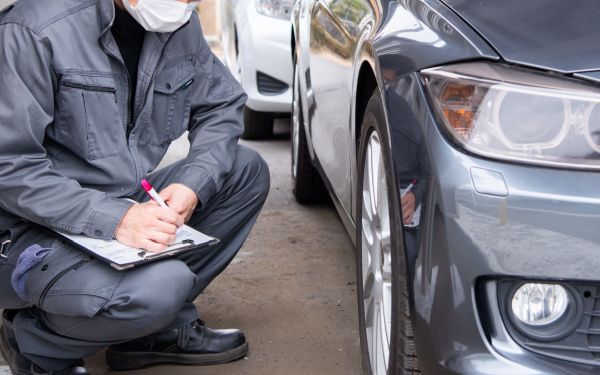
After a collision, one of the first questions you likely have is: How much will the repair cost? To answer that, your auto body repair shop provides a detailed estimate that outlines the repairs needed, parts required, and the labor involved. But the estimate process is far more advanced and technical than simply looking at the damage and choosing a price. Modern vehicles are built with complex materials, electronics, and safety systems, so determining repair needs requires training, precision, and the right equipment.
Here’s a detailed look at how an auto body technician evaluates your vehicle and creates an accurate estimate after a collision.
Step 1: Vehicle Check-In and Initial Assessment
When you bring your vehicle to the auto body repair shop, the technician begins by gathering information about the collision. They may ask:
- Where the impact occurred
- How hard the impact was
- Whether airbags deployed
- If you noticed new sounds, vibrations, or handling changes
This helps the technician understand the possible scope of internal and external damage.
The vehicle is then photographed from multiple angles. These photos are attached to your estimate and may be shared with your insurance provider if needed.
Step 2: Visual Inspection of Exterior Damage
The technician performs an in-depth visual inspection to identify:
- Scratches, dents, and cracks
- Misaligned body panels
- Broken or warped parts
- Gaps between panels indicating frame shift
While visible damage is a good starting point, it rarely tells the full story. The technician notes all exterior findings before moving forward to internal inspection.
Step 3: Structural and Frame Evaluation
Next, the auto body repair shop uses frame-measuring systems and computerized diagnostic tools to detect structural damage. This may include:
- Frame Machine: Used to measure and correct misaligned vehicle frames
- Laser or Electronic Measuring System: Provides precise data on alignment and structure
- Body and Panel Gauge Tools: Evaluate whether panels meet original manufacturer fit
If frame damage is detected, the technician includes structural repair or straightening in the estimate.
Step 4: Mechanical and Internal Damage Inspection
Even minor collisions can cause hidden mechanical issues. The auto body technician will:
- Look under the hood and underbody
- Check radiators, suspension components, and wheel alignment
- Inspect impact sensors and safety restraints
- Evaluate engine mounts and driveline components
This is also where the shop may use OBD-II diagnostic scanners to identify error codes related to the vehicle’s electronics and safety systems.
Step 5: Disassembly for Hidden Damage
In many cases, the repair shop needs to partially disassemble the damaged section to uncover hidden issues. This step is critical because many collisions push damage inward, even when the exterior looks repairable.
The technician may remove:
- Bumpers
- Interior trims
- Headlights or taillights
- Fenders or door panels
Once hidden areas are exposed, any additional issues are documented and added to the estimate.
Step 6: Writing the Estimate and Reviewing Repair Options
After gathering all data, the technician writes a complete estimate that outlines:
- What parts need to be repaired or replaced
- Whether OEM, aftermarket, or reconditioned parts will be used
- The labor time required
- Any required paint refinishing services
- Additional costs such as calibration or alignment
This estimate is both a repair roadmap and a guideline for insurance approval when applicable.
Step 7: Customer Review and Approval
Finally, the auto body repair shop reviews the estimate with you. They will:
- Explain each repair needed
- Show images or measurements if helpful
- Answer questions about parts or repair options
- Coordinate with your insurance provider if needed
Once you approve the plan, repairs can begin.
A Precise Estimate Means a Safer Repair
A thorough estimate is not just about cost, it’s about safety, accuracy, and restoring your vehicle to its pre-accident condition. When an auto body technician like the professionals at Town Line takes the time to inspect every component, you gain confidence knowing your vehicle will be repaired the right way, not the fastest or cheapest way.