
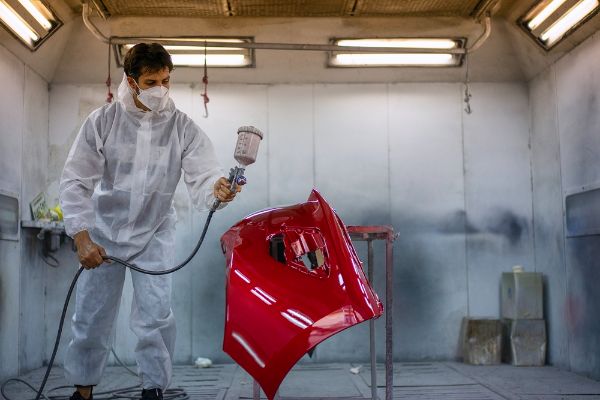
Your vehicle's paint contributes significantly to its overall appearance, but it also serves an important protective purpose. The exterior finish helps shield underlying surfaces from moisture, environmental contaminants, and everyday exposure. Unfortunately, scratches, paint chips, fading, and collision damage can compromise that finish and leave your vehicle looking worn or damaged.
Whether your vehicle has experienced a minor parking lot accident, a larger collision, or gradual paint deterioration, professional auto body paint repair can help restore its appearance.
Understanding how automotive paint damage occurs, what the repair process involves, and when professional refinishing is necessary can help you make informed decisions about maintaining your vehicle.
Why Is Your Vehicle's Paint Important?
Automotive paint does more than give your vehicle its color and finish. Modern vehicle paint systems consist of multiple layers designed to provide protection, durability, and visual appeal.
A typical automotive paint system includes:
- E-Coat: An electrocoating layer applied during manufacturing to help protect metal surfaces against corrosion.
- Primer: Helps create a smooth surface for paint application while improving adhesion and protection.
- Base Coat: Provides your vehicle's actual color and appearance.
- Clear Coat: A transparent protective layer that adds gloss and helps shield the paint from environmental exposure and minor surface damage.
When one or more of these layers becomes damaged, the underlying surfaces may become vulnerable to additional deterioration.
For example, a deep scratch that penetrates the paint layers can expose underlying metal to moisture, potentially contributing to corrosion. Addressing paint damage promptly can help prevent certain problems from becoming more extensive.
Common Types of Automotive Paint Damage
Your vehicle's exterior is exposed to numerous conditions that can affect its paint over time. Some damage occurs gradually, while other problems result from sudden impacts or accidents.
Understanding the different types of automotive paint damage can help you determine when professional paint repair may be necessary.
1. Scratches and Scuffs
Scratches and scuffs are among the most common types of vehicle paint damage. They can occur from parking lot incidents, contact with other objects, road debris, improper washing techniques, or accidental impacts.
Depending on their depth, scratches may affect only the clear coat or extend through the base coat and primer.
Minor surface scratches may be corrected through polishing or paint correction, while deeper scratches may require sanding, priming, and repainting.
2. Paint Chips
Small stones, gravel, and road debris can strike your vehicle while driving, creating chips in the paint.
Although these imperfections may seem minor, deeper paint chips can expose underlying materials to moisture and environmental contaminants.
Professional paint chip repair helps restore the damaged area and protect exposed surfaces.
3. Fading and Oxidation
Prolonged exposure to sunlight, ultraviolet radiation, and environmental conditions can gradually affect your vehicle's paint.
Over time, you may notice fading, discoloration, reduced gloss, or a chalky appearance.
Depending on the condition of the finish, paint correction, polishing, or professional refinishing may help restore its appearance.
4. Peeling or Damaged Clear Coat
The clear coat is the outermost layer of your vehicle's paint system. It provides gloss and helps protect the underlying color coat.
When the clear coat begins peeling, flaking, or deteriorating, the base coat becomes more vulnerable to environmental exposure.
Clear coat damage may result from prolonged sun exposure, age, improper previous repairs, or other environmental factors.
Professional auto body paint repair can help determine whether the affected area can be refinished or requires more extensive repainting.
5. Collision-Related Paint Damage
Even relatively minor vehicle collisions can damage automotive paint.
Impacts involving doors, bumpers, fenders, hoods, and quarter panels can leave behind scratches, paint transfer, chipped finishes, and larger areas of damaged paint.
In these situations, paint repair may be necessary alongside dent repair, panel repair, or component replacement.
What Is the Automotive Paint Repair Process?
Professional auto body painting involves several steps to ensure the repaired area has a consistent appearance and appropriate surface protection.
While the exact process depends on the type and extent of damage, most automotive paint repair jobs involve the following stages.
Step 1: Damage Assessment
Before beginning repairs, technicians evaluate the damaged area to determine how deeply the paint has been affected.
They also inspect the surrounding panels for scratches, dents, corrosion, and other imperfections.
This assessment helps determine whether the repair requires paint correction, localized refinishing, or repainting an entire panel.
Step 2: Surface Preparation
Proper surface preparation is essential for achieving a quality automotive paint finish.
Depending on the damage, technicians may clean the affected area, sand damaged paint, remove corrosion, repair surface imperfections, and apply primer.
Preparing the surface correctly helps promote paint adhesion and a smooth final appearance.
Step 3: Color Matching
Matching your vehicle's original paint color is one of the most important parts of professional auto body painting.
Vehicle manufacturers use specific paint codes to identify factory colors. However, age, sunlight, and environmental exposure can cause existing paint to look slightly different from its original shade.
Collision repair technicians use paint codes, color-matching systems, and other techniques to help achieve a consistent appearance.
In some cases, blending adjacent panels may be necessary to minimize visible color differences between repaired and original surfaces.
Step 4: Paint Application
Once the surface has been properly prepared and the color has been matched, technicians apply the appropriate automotive paint products.
The base coat provides the vehicle's color, while the clear coat adds gloss and a protective finish.
Proper application techniques, controlled conditions, and appropriate curing procedures all contribute to the final result.
Step 5: Finishing and Quality Inspection
After the paint has cured, technicians inspect the repaired area for consistency, coverage, and finish quality.
Depending on the repair, additional finishing or polishing may be performed to help achieve a smooth appearance that blends with the surrounding panels.
Why Professional Automotive Paint Matching Matters
One of the biggest concerns following vehicle paint repair is whether the new finish will match the existing paint.
Even when technicians use the correct factory paint code, the surrounding finish may have changed slightly over time due to sunlight, weather, and normal aging.
Professional automotive paint matching accounts for these differences.
A quality paint-matching process helps:
- Maintain consistent color between repaired and original panels.
- Reduce noticeable differences in shade or tone.
- Restore your vehicle's overall appearance.
- Create a more uniform finish after collision repairs.
- Improve the appearance of repaired body panels.
This is particularly important when repairing highly visible areas such as doors, fenders, hoods, and bumpers.
When Should You Consider Professional Auto Body Paint Repair?
Not every paint imperfection requires extensive refinishing, but certain types of damage should be evaluated by a professional.
Consider scheduling an auto body inspection if you notice:
- Deep scratches that expose primer or bare metal.
- Paint chips following a collision or road debris impact.
- Peeling, cracking, or flaking clear coat.
- Discoloration or significant paint fading.
- Paint damage surrounding dents or repaired body panels.
- Rust or bubbling beneath the paint.
- Uneven color or texture from previous repairs.
Addressing these issues can help prevent further deterioration and restore your vehicle's exterior.
How Can You Protect Your Vehicle's Paint After Repairs?
Once your vehicle's paint has been professionally restored, proper care can help maintain its appearance.
Consider incorporating these habits into your vehicle maintenance routine:
Wash Your Vehicle Regularly: Remove dirt, road salt, bird droppings, tree sap, and insect residue before they have an opportunity to damage the finish.
Use Automotive-Specific Cleaning Products: Household detergents and abrasive materials may damage automotive paint. Use products specifically designed for vehicle surfaces.
Park in Covered Areas: Whenever possible, park in a garage or shaded area to reduce prolonged exposure to direct sunlight and environmental contaminants.
Remove Contaminants Promptly: Bird droppings, tree sap, and dead insects can damage automotive paint if left on the surface for extended periods.
Consider Paint Protection: Automotive waxes, sealants, and paint protection products can provide an additional layer of protection against environmental exposure.
Avoid Improper Washing Techniques: Dirty towels, abrasive brushes, and improper washing methods can introduce scratches and swirl marks into your vehicle's finish.
Consistent care helps preserve the appearance of your vehicle and protects the results of professional paint refinishing.
Restore Your Vehicle's Appearance with Professional Auto Body Painting
Your vehicle's exterior paint plays an important role in both appearance and surface protection. Whether you are dealing with scratches, paint chips, fading, clear coat damage, or collision-related paint problems, professional auto body paint repair can help restore your vehicle's finish.
From minor paint correction and scratch repair to complete panel refinishing and collision-related repainting, experienced technicians can evaluate the damage and recommend an appropriate solution.
If your vehicle has sustained paint damage, Town Line is here to help. Contact our team in Monroe ato schedule an inspection and learn more about our automotive paint repair, auto body painting, and collision repair services. We are committed to helping you restore your vehicle's appearance and get back on the road with confidence.